


loading


| Availability: | |
|---|---|
| Quantity: | |
Manufactured with high-tensile multi-layer plastic film, they deliver exceptional puncture and tear resistance, making them ideal for 2.5kg+ loads during shipping, stacking, and retail handling. The top die-cut handle ensures ergonomic carrying for end-users, while the reinforced heat seals prevent leaks and contamination. The smooth, printable surface supports vibrant full-color CMYK printing, enabling brands to showcase product claims, scents (e.g., lavender), eco-friendly messaging, and safety certifications.
Rugged Construction: Multi-layer barrier material blocks moisture and dust, preserving the powder’s free-flowing quality.
Ergonomic Design: Die-cut handle and reinforced seals for secure, comfortable carrying.
High-Impact Branding: Glossy/matte finish options with custom graphics, text, and logos to enhance shelf visibility.
Versatile Sizing: Tailored capacities (1kg to 5kg) to match different product volumes and market needs.
Compliance: Materials meet global safety standards for household product packaging.
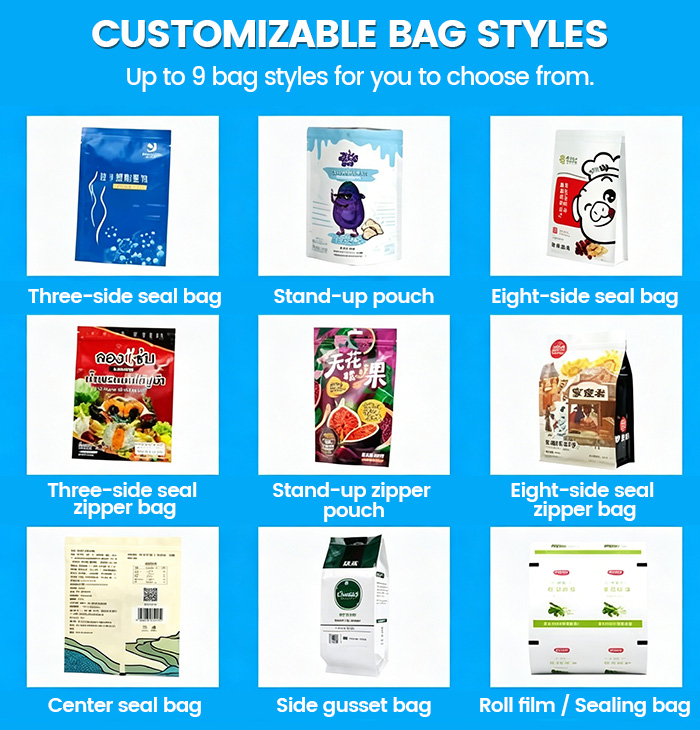
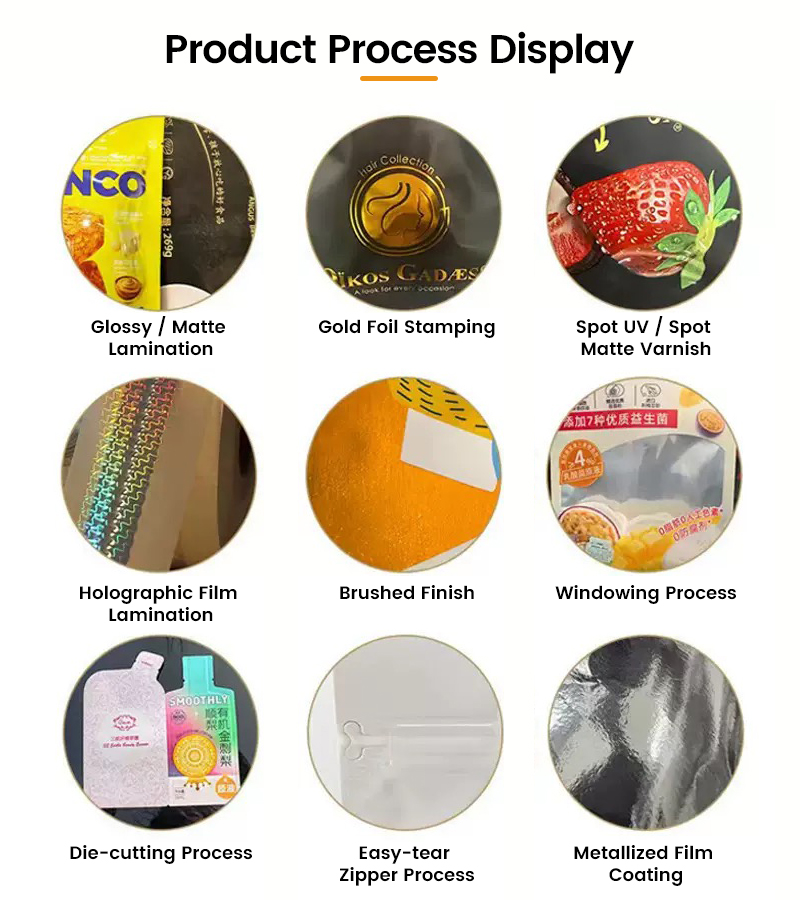
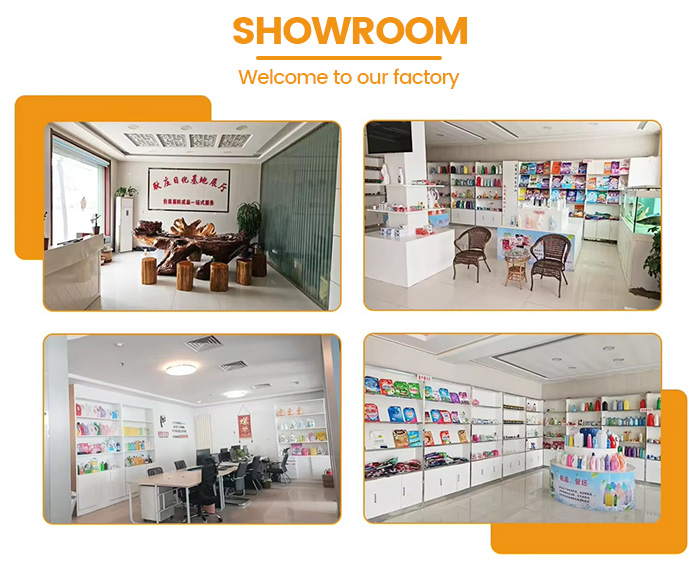


Flexible packaging is made from materials such as plastic films, aluminum foil laminates, and paper composites that can be formed into pouches, bags, or roll films. Compared with rigid packaging, it offers lower transportation costs, excellent barrier protection, and greater design flexibility.
SL Packaging manufactures a complete range of flexible packaging solutions, including:
Stand Up Pouches | Flat Bottom Bags | Side Gusset Bags |
Vacuum Bags | Spout Pouches | Zipper Bags |
Three Side Seal Bags | Roll Film | Plastic Packaging Bags |
Composite Packaging Bags | ||
All products can be fully customized to meet your packaging requirements.
Yes. We provide complete OEM and ODM flexible packaging services, including customization of:
Bag type and dimensions | Material structure | Film thickness |
Gravure printing | Matte or glossy finish | Zippers, valves, spouts, tear notches, hang holes, and other functional features |
Our engineering team can also recommend the most suitable packaging structure based on your product, filling process, storage conditions, transportation requirements, and desired shelf life.
We offer a wide range of laminated material structures, including:
PET/PE | PET/AL/PE | PET/VMPET/PE |
BOPP/CPP | Nylon/PE | Kraft Paper/PE |
Mono-material recyclable structures | ||
Material selection is customized according to barrier performance, product characteristics, shelf-life requirements, and packaging equipment.
Our flexible packaging solutions are widely used in:
Food and snacks | Coffee and tea | Frozen foods |
Pet food | Spices and seasonings | Powder products |
Agricultural products | Health supplements | Cosmetics |
Household chemicals | Industrial products |
We also manufacture packaging compatible with both manual filling and automatic packaging systems.
The minimum order quantity depends on the bag type, dimensions, material structure, and printing design.
We can provide existing samples for quality evaluation, and customized samples can be produced before mass production when required.
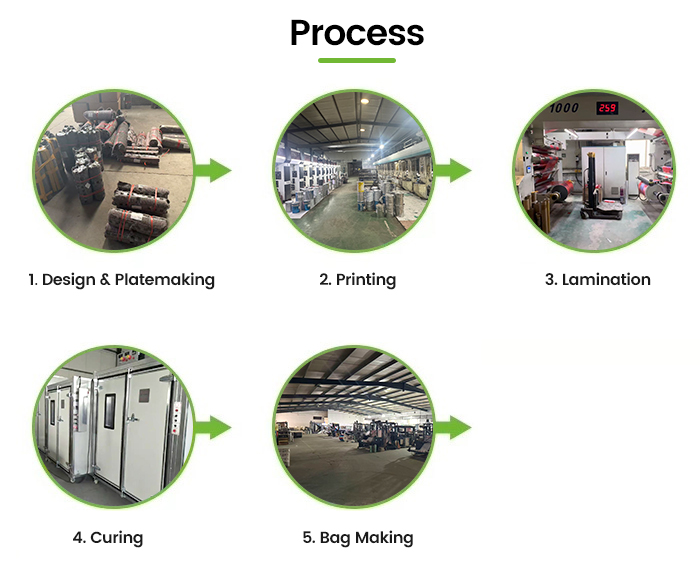
Quality control is implemented throughout the entire production process, including raw material inspection, gravure printing, lamination, bag making, and final inspection.
Every production stage is carefully monitored to ensure consistent quality, reliable sealing performance, and compliance with customer specifications.
Yes. SL Packaging exports flexible packaging products worldwide, serving customers across North America, Europe, Southeast Asia, the Middle East, South America, Africa, and other global markets.
To receive a quotation, simply provide:
Product to be packed | Bag or pouch type | Dimensions |
Material preference | Thickness | Printing artwork |
Estimated order quantity |
Our packaging specialists will recommend the most suitable solution and provide a competitive quotation promptly.

Roasted coffee starts losing aroma the moment oxygen reaches the beans, so the bag is the first line of defence for flavour, not just a container. This research-style overview explains how foil, metallised and laminated films, one-way valves, zippers and flat-bottom or stand-up formats work together to control oxygen, moisture, light and odour. It outlines the food-contact rules and barrier classifications buyers should ask about, how to read oxygen, moisture and seal test evidence, and how to compare formats for whole bean, ground and retail coffee. It closes with practical specification, sampling and bulk-order checks for buyers sourcing custom printed coffee bags.

Heavy cat litter exposes every weakness in a stand-up pouch: a shallow gusset tips, a weak handle tears, and a dusty seal fails on the shelf. This research-led comparison explains how buyers should judge stability, filling and display together, rather than treating size or print as separate decisions. It covers laminated film structure, gusset and handle engineering, relevant standards, drop, seal and handle testing, and the trade-offs between stand-up, flat-bottom and block-bottom formats. It then turns those checks into practical ordering criteria, including fill weight, shelf footprint and sample approval, for wholesale and custom printed orders.

A vague brief is the most expensive mistake in flexible food packaging, because film, closure, print and filling details decided late become rework, waste or shelf failure. This specification-led plan shows buyers how to translate a snack, spice, sugar or dry-food product into measurable pouch requirements, from barrier structure and zipper performance to dimensions, artwork and acceptance checks. It explains the standards and tests that support those decisions, compares stand-up, flat-bottom and three-side-seal routes, and sets out sampling, ordering and approval steps that keep a manufacturer accountable before bulk production begins.
Thick ketchup, runny soy sauce and oily chilli paste do not behave the same way in a pouch, so format choice decides whether a sauce pours cleanly, seals safely and survives distribution. This comparison weighs spout pouches against stand-up pouches for viscosity, portion control, shelf presence, filling lines and cost, then explains laminated films, spout and cap construction, food-contact expectations and the drop, seal and leak checks buyers should request. It closes with practical specification, sampling and ordering guidance and the custom sizes, printing and spout options a China supplier should be able to provide for wholesale sauce brands.
Ready meal brands lose more retort pouches to material mismatch than to filling errors, and sterilisation heat exposes every weak layer, seal and print choice. This research-led plan compares foil, metallised and transparent laminate routes, explains how retort temperature, pressure and dwell time stress each structure, and shows which standards and test evidence buyers should request before committing to bulk supply. It also covers practical specification points for size, fill, print and sterilisation conditions, typical failure modes after retort, and how a China manufacturer can customise food pouches for reliable shelf-stable production.


